
The Real Cost to Sell a House in New York: Transfer Tax, Mansion Tax & the Non-Resident Tax (2026)
You accept an offer, feel relieved — and then the closing statement lands with a row of New York taxes you didn't expect. The good news: every one of them is knowable in advance. Once you understand the few big state charges, you can figure your real take-home before you ever sign.
Off Market Investors is a family-owned cash buyer based in Glen Cove, New York. Call and you'll reach us directly — not a call center. Here is what New York actually charges a seller, in plain English.

Get Your Free Cash Offer Now!
Fill out this form to get your no-obligation all cash offer started!
Get Your Free Offer TODAY!
Fill In This Form To Get Your No-Obligation All Cash Offer Started!
1. The state transfer tax (the seller pays this)
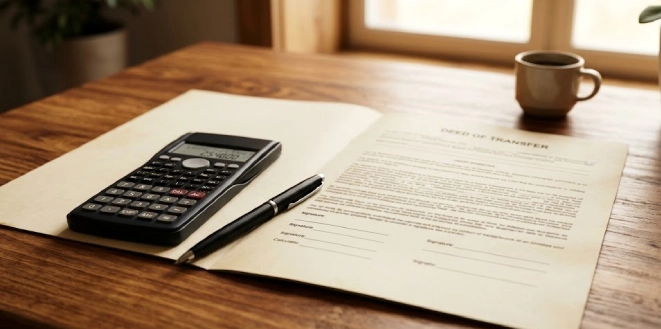
Almost every New York home sale carries the state real estate transfer tax — $2 for every $500 of the price, which works out to 0.4%, and it's paid by the seller at closing. The full breakdown, including exemptions and the TP-584 form: the NYS real estate transfer tax.
2. The mansion tax on $1 million-plus homes
If your home sells for $1,000,000 or more, there's an additional 1% “mansion tax.” It's technically paid by the buyer — but on Long Island, where many homes sit right around that line, it shapes offers and matters to you as the seller. How it works and why the threshold is a cliff: the NY mansion tax, explained.

3. The non-resident tax if you've moved out of New York
If you now live out of state, you'll likely see an estimated tax withheld at closing on Form IT-2663. It isn't a penalty for leaving — it's a prepayment of New York income tax on your gain, credited back on your return. What it is and how it works: out-of-state sellers & Form IT-2663.
Selling on the East End? One more tax
If your property is on the East End of Long Island — the Hamptons or the North Fork — those towns add a Community Preservation Fund (“Peconic Bay”) transfer tax, generally paid by the buyer, with local exemptions. If that's you, confirm the current rate and thresholds with your specific town before you price the home.
Knowing your real net — honestly
These charges are set by law, so they apply no matter how you sell — a cash sale doesn't make them disappear. What a direct sale to us does remove is the commission, and we'll walk you through a clear net sheet so the number you see is the number you keep. No repairs, no listing, and no surprises at the table. It's one option worth comparing against a traditional sale.


Want Your Real Net? Get A Free, No-Obligation Cash Offer — No Commissions
Get Your Free Offer TODAY!
Fill In This Form To Get Your No-Obligation All Cash Offer Started!
General information only, not legal or tax advice. Confirm current figures with the New York State Department of Taxation and Finance and a New York real estate attorney or tax professional.